News

05/07/2026 | Firm News
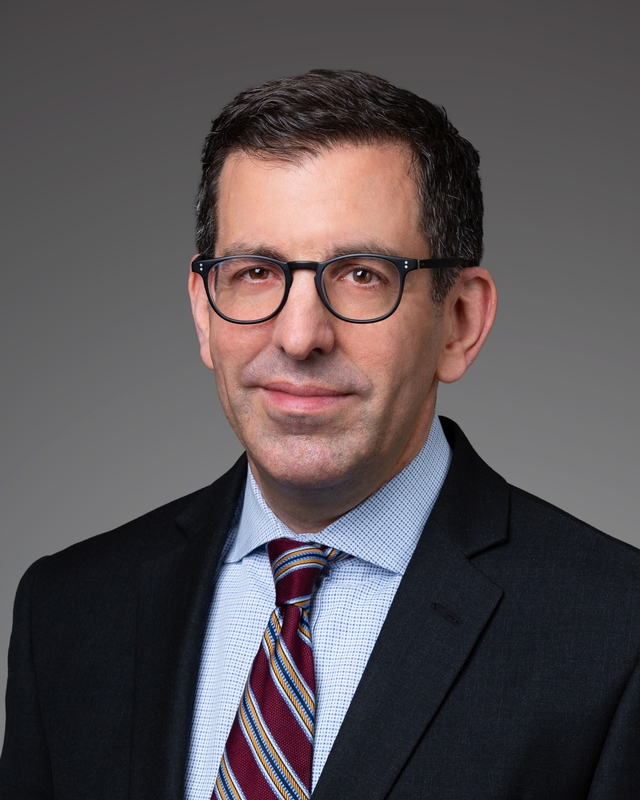
Partner Randall Fox Testifies in Support of Passage of a Pennsylvania False Claims Act
PHILADELPHIA -- On May 7, 2026, KM Partner Randall Fox testified before the Pennsylvania House Democratic Policy Committee in support of House Bill 1697, the “Taxpayer Prevention Against Fraud Act,” legislation that would establish a Pennsylvania False Claims Act designed to combat frauds committed against state and local governments with the help of whistleblowers incentivized to come forward with concrete evidence of violations.
Mr. Fox, a nationally recognized whistleblower attorney and former founding Bureau Chief of the New York Attorney General’s Taxpayer Protection Bureau, testified that False Claims Acts are among the most effective tools available to protect taxpayer dollars, deter fraud, and incentivize whistleblowers to report misconduct.
In his testimony, Mr. Fox explained that Pennsylvania currently lacks a False Claims Act and therefore risks missing opportunities to recover funds from fraud matters that are routinely reported to states with established whistleblower statutes, including multi-state frauds. He emphasized that a False Claims Act is non-partisan, pro- business because it protects competitors who follow the rules from those who do not, and pro-citizen because it promotes having government dollars spent as authorized.
Mr. Fox highlighted the substantial success of federal and state False Claims Acts, noting that the federal government has recovered more than $85 billion under the federal False Claims Act since 1986, including $6.8 billion in recoveries last year alone. He further testified that New York has recovered more than $841 million in non-Medicaid matters under its False Claims Act.
Drawing on nearly two decades of experience with the New York False Claims Act, Mr. Fox testified that the data clearly shows that opponents’ originally-voiced concerns about frivolous litigation and excessive case filings did not materialize. According to data submitted to the Committee, only 190 public non-Medicaid False Claims Act cases have been filed in New York over nearly twenty years, averaging approximately ten cases annually, while resulting in more than $841 million in settlements.
Mr. Fox also emphasized the extraordinary return on investment generated by False Claims Act enforcement efforts. Based on his analysis, New York’s Taxpayer Protection Bureau generated a return on investment exceeding 2,600%, with net recoveries of approximately $704 million (after deducting whistleblower awards) compared to an estimated $25.5 million in operating costs since the Bureau’s creation in 2011.
In addition, Mr. Fox testified that False Claims Act cases frequently uncover complex, multi-state fraud schemes and have proven particularly effective in identifying large-scale tax frauds that, without whistleblowers, would have remained undetected. He noted that approximately 80% of New York’s non-Medicaid False Claims Act recoveries have stemmed from tax-related matters, including significant settlements involving Sprint sales taxes on its monthly access charges and a hedge fund billionaire accused of falsely claiming to have relocated business operations outside New York.
Mr. Fox concluded by urging Pennsylvania lawmakers to enact a state False Claims Act and establish a robust False Claims Act framework to protect public funds, deter fraud, and support ethical businesses and whistleblowers.
His full testimony can be found at the link below.
Mr. Fox, a nationally recognized whistleblower attorney and former founding Bureau Chief of the New York Attorney General’s Taxpayer Protection Bureau, testified that False Claims Acts are among the most effective tools available to protect taxpayer dollars, deter fraud, and incentivize whistleblowers to report misconduct.
In his testimony, Mr. Fox explained that Pennsylvania currently lacks a False Claims Act and therefore risks missing opportunities to recover funds from fraud matters that are routinely reported to states with established whistleblower statutes, including multi-state frauds. He emphasized that a False Claims Act is non-partisan, pro- business because it protects competitors who follow the rules from those who do not, and pro-citizen because it promotes having government dollars spent as authorized.
Mr. Fox highlighted the substantial success of federal and state False Claims Acts, noting that the federal government has recovered more than $85 billion under the federal False Claims Act since 1986, including $6.8 billion in recoveries last year alone. He further testified that New York has recovered more than $841 million in non-Medicaid matters under its False Claims Act.
Drawing on nearly two decades of experience with the New York False Claims Act, Mr. Fox testified that the data clearly shows that opponents’ originally-voiced concerns about frivolous litigation and excessive case filings did not materialize. According to data submitted to the Committee, only 190 public non-Medicaid False Claims Act cases have been filed in New York over nearly twenty years, averaging approximately ten cases annually, while resulting in more than $841 million in settlements.
Mr. Fox also emphasized the extraordinary return on investment generated by False Claims Act enforcement efforts. Based on his analysis, New York’s Taxpayer Protection Bureau generated a return on investment exceeding 2,600%, with net recoveries of approximately $704 million (after deducting whistleblower awards) compared to an estimated $25.5 million in operating costs since the Bureau’s creation in 2011.
In addition, Mr. Fox testified that False Claims Act cases frequently uncover complex, multi-state fraud schemes and have proven particularly effective in identifying large-scale tax frauds that, without whistleblowers, would have remained undetected. He noted that approximately 80% of New York’s non-Medicaid False Claims Act recoveries have stemmed from tax-related matters, including significant settlements involving Sprint sales taxes on its monthly access charges and a hedge fund billionaire accused of falsely claiming to have relocated business operations outside New York.
Mr. Fox concluded by urging Pennsylvania lawmakers to enact a state False Claims Act and establish a robust False Claims Act framework to protect public funds, deter fraud, and support ethical businesses and whistleblowers.
His full testimony can be found at the link below.
Subscribe
Related Team Members